We have included below two short videos which were made during the project to provide volunteers with information about how to collect samples and about how we processed the samples once we received them at the James Hutton Institute.
 Sample Collection
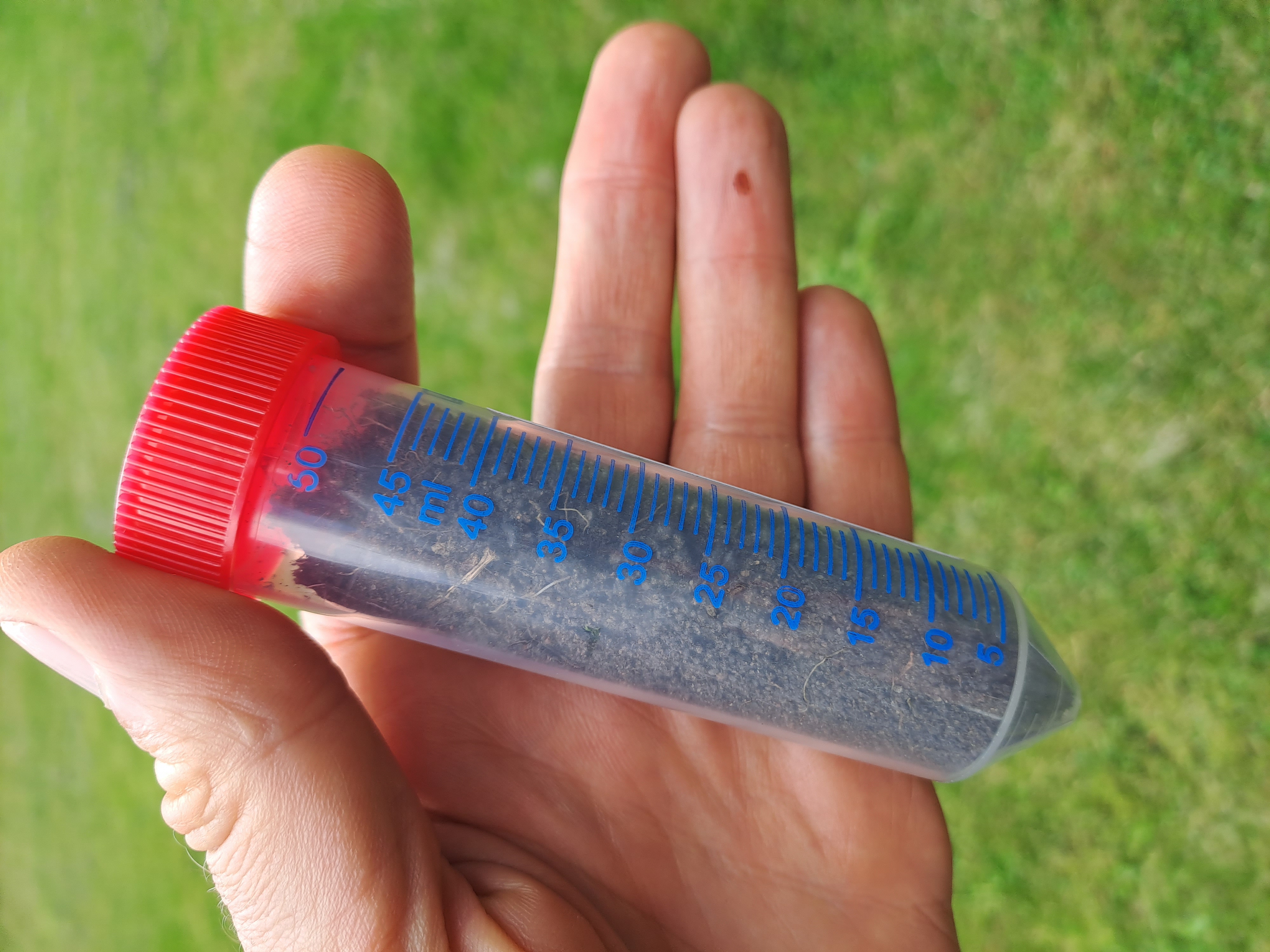
The first video ‘Collecting a sample’ was a guide for volunteers on how to collect the soil samples from the desired vegetation. To be able to extract sufficient DNA from the samples for analysis, we needed a full tube of soil from each sample location. Sampling aimed to avoid getting vegetation and stones in the tubes but roots were included as these are often home to soil organisms.
Watch the video to see a demonstration of how to collect a soil sample and how to identify the correct soil layer to sample from. Alpine habitats are sensitive to disturbance and can be vulnerable to erosion. Volunteers were encouraged to minimise disturbance to plants and leave no areas of bare soil after sampling. When sampling soil under moss mats, any mosses or plants that were moved were pushed back down firmly so that they could carry on growing.
Lab Processing
The second video gives a summary of how samples were processed once they were received at the James Hutton Institute labs.
Throughout the project the lab team worked hard to process the 765 samples received, preparing them for DNA sequencing to reveal the biodiversity in our mountain soils. Each sample was split into two parts, with the first part used for extraction of DNA and the second part used to analyse the chemistry of the soil including its acidity (pH) and the amount of carbon and nitrogen it contained. The video below lets you see inside our labs and illustrates the journey taken by your samples as we prepared them for the various analyses.
Once the DNA was extracted and quality checked it was sent away for sequencing in Berlin. During the pilot study where we worked on samples from the Munros in the Cairngorm National park we only looked at soil fungi. In the Mountain Heights, Hidden Depths project we used a wider range of DNA markers which allowed us to look at all soil biodiversity.